
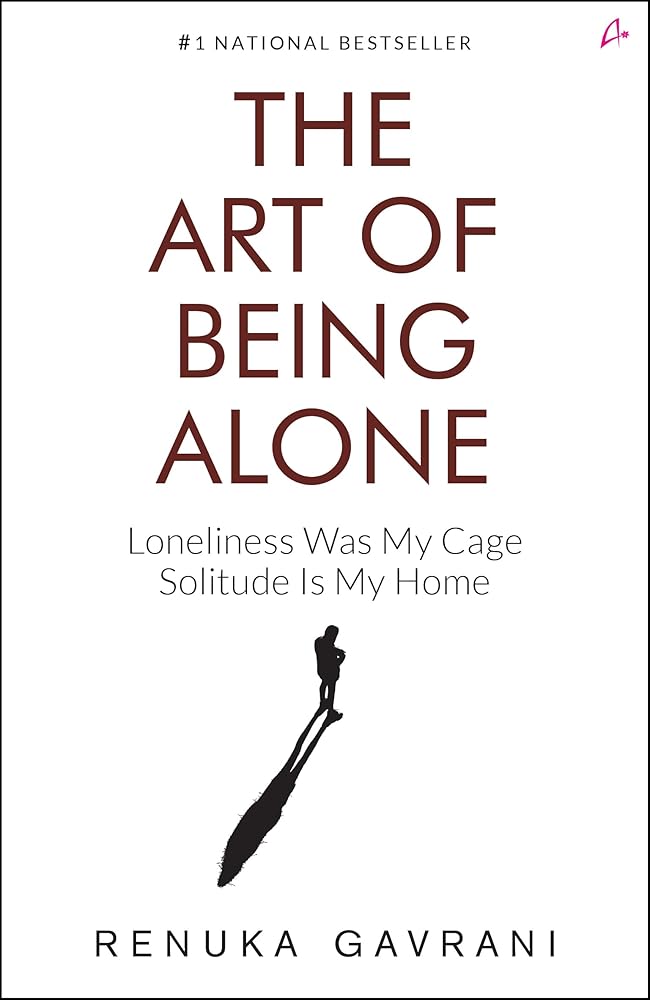

The Art of Being Alone — Growing Deeper Into a Place I Already Knew
I have always been someone who enjoys being alone—not lonely.Solitude was never unfamiliar to me. It was where I felt most like myself, long before I learned how to explain it to others. Still, when I picked up The Art of Being Alone, I didn’t expect it to mirror me so closely. I thought it would teach me something new. Instead, it helped me understand something I had always known.
This book didn’t introduce me to solitude; it helped me move deeper into it.
As I read, I realized how rarely we talk about being alone as a choice rather than a consequence. For me, being alone was never about lack. It was about clarity. About space. About feeling grounded in my own presence. And this book didn’t try to change that—it refined it. It gave words to feelings I had lived with quietly for years.
What stood out most was the way the book treats solitude with respect. It doesn’t dramatize it, and it doesn’t try to fix it. It simply allows it to exist as something meaningful. Reading it felt like permission—to sit longer in silence, to listen more closely to my thoughts, and to stop explaining why I enjoy my own company.
The book also reminded me that being comfortable alone doesn’t mean being closed off. It means being secure. It means knowing that your worth doesn’t depend on constant connection, and your peace doesn’t require an audience. That realization felt grounding, not isolating.
I was never lonely—only alone.And The Art of Being Alone helped me lean into that truth with more awareness. It didn’t push me toward solitude; it helped me enhance my relationship with it. It showed me that solitude, when understood, can be a place of balance rather than escape.
This book didn’t change who I am.It simply helped me sit more peacefully in who I’ve always been.
“There is a difference between being alone and being lonely—and peace lives in that difference.”