
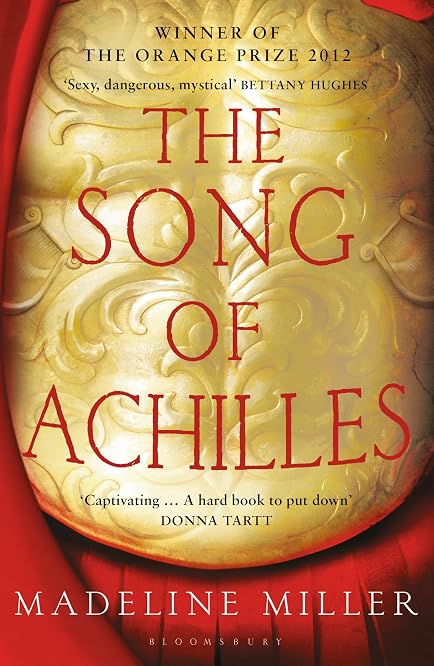

I was planning on finally getting into Greek mythology, and after looking around, almost everyone recommended experiencing the story in this order: The Song of Achilles, then The Iliad, then The Odyssey, and only after that watching The Odyssey movie. They all said the journey hits differently when you meet the people before you meet the legends, and understand the war before seeing what comes after it.
When I picked up The Song of Achilles, I had no idea the heart of the story was a love story between two men. That’s not usually the kind of book I reach for, and for a moment I wondered if it was the right book for me.
funny thing, I’ve got this group chat with two of my friends where we trade movie recommendations. one of them drops a title one night, so I get home, hit play, and it’s just guy after guy showing off their goods on screen like a competition. in the chat I typed im out and closed the laptop before it even hit 10 minutes.
But somewhere along the way, that stopped mattering. I was too deep in the book by then.
the part that got me first was how unwanted Patroclus is. nine years old, already exiled, sent to live in a stranger’s house because his own father can’t stand to look at him anymore. and Achilles is everything he isn’t. the best fighter alive, son of a goddess, the one everyone already has plans for. and out of the whole hall, he picks the exile. sits next to him. teaches him to skip stones. I don’t know why that detail got to me so much, but it did. it’s not a big gesture. it’s just someone choosing you when nobody else would.
The book never asks you to care about who they love. It asks you to care that they love. And those are two very different things.
I wasn’t ready for how much I’d care about the parts where nothing happens. years on a mountain, swimming, arguing, learning music from an old centaur. no war yet, no death yet. just two people getting to be young together. and the whole time I kept thinking, this is the part they’re going to lose. you know it before they do.
then it starts. Helen gets taken, Achilles has to go because of a promise his father made before he was even born, and there’s a prophecy hanging over all of it. kill Hector and die young but get remembered forever, or stay home and live a long life nobody talks about. Patroclus goes with him anyway. he’s not even good in a fight. he just can’t stand the idea of being anywhere Achilles isn’t.
I remember exactly where I was when Patroclus died. Agamemnon takes a woman from Achilles like she’s property, Achilles gets too proud to keep fighting, and Greeks start dying because of it. Patroclus puts on Achilles’ armor just to scare the Trojans back, and Hector kills him thinking he’s finally gotten Achilles. it happens fast. it’s basically one page. and it still knocked the air out of me.
what came after was worse. Achilles doesn’t grieve quietly. he kills Hector and then drags his body around the city for days, and nobody in the book even tries to stop him, not even the gods, because there’s nothing anyone can say to a person carrying grief that big.
he dies too, not long after. and his mother, who spent the whole book telling Patroclus he wasn’t good enough for her son, ends up carving his name into the same tomb as her son’s. right next to him. after everything she said. I closed the book and just sat there for a minute.
By the end, I wasn’t thinking about labels anymore. I was watching two people try to hold on to each other while the whole world slowly pulled them apart.
When I closed the book, I understood why people insist on reading it before The Iliad and The Odyssey. Once you’ve lived inside Patroclus’ heart, the Trojan War stops feeling like mythology. Every battle has a face. Every victory costs someone you know. Every prophecy feels less like destiny and more like grief waiting for its turn.
…and when you finish this book, one thing first.
Listen to “Achilles Come Down” by Gang of Youths.
Some stories deserve a moment of silence before you leave them behind.
This is one of them.





Wow! Now I want to read it.